Have you ever noticed that in addition to the Holy Spirit, the human spirit is mentioned numerous times throughout the Old and New Testaments?
In other posts, we’ve looked at the three parts of man: the spirit, soul, and body. We also examined the difference between the soul and the spirit in more detail. In this post, we’ll focus specifically on the immense significance of our human spirit, the deepest part of our being. We’ll see the monumental place it occupies in both God’s purpose for humanity and our Christian life.
How God views the human spirit
Let’s first see how God views the human spirit. Zechariah 12:1 says:
“Thus declares Jehovah, who stretches forth the heavens and lays the foundations of the earth and forms the spirit of man within him.”
It’s easy for us to appreciate the awe-inspiring, God-created heavens and earth. We can’t help but be struck by their grandeur when we look up at the stars, or see images that capture the beauty of nature.
But Zechariah 12:1 shows us that in God’s eyes, the spirit of man is equally important. It is ranked on the same level as the heavens and the earth.
Notice also that this verse doesn’t just say that God “forms man” in a general sense, but that He “forms the spirit of man within him.” This indicates that the spirit is the most outstanding part of our being.
But why is our spirit so important to God?
First, let’s look at how and why God formed the spirit of man.
How God formed the spirit of man
When the mighty God created the universe, He stretched forth the heavens and laid the foundation of the earth with His power. Jeremiah 32:17 says:
“Ah, Lord Jehovah! It is You who have made the heavens and the earth by Your great power and by Your outstretched arm. Nothing is too wonderful for You.”
The creation of the heavens and the earth was a tremendous event. Through it, God displayed His awesome power. But when it came to creating man, Genesis 2:7 gives us these details in contrast:
“Jehovah God formed man from the dust of the ground and breathed into his nostrils the breath of life, and man became a living soul.”
In Hebrew, the original language of the Old Testament, the word translated as breath is neshamah. In Proverbs 20:27, this same word, neshamah, is translated as spirit:
“The spirit of man is the lamp of Jehovah.”
These verses indicate that the breath of life became the spirit of man.
The creation of man’s spirit was an intimate act of God. God breathed into man after forming him from the dust of the ground. This is much more personal than His way of creating the heavens and the earth, which was by His great power and outstretched arm. He imparted His very breath into man. This breath, which became man’s spirit, came from within God’s very being. How precious our spirit is to God! He took such care in forming it.
[[Free Study Bible]]
Why God formed the spirit of man within him
God created the heavens, the earth, and the spirit of man because He had a purpose in His heart that He wanted to fulfill. It was for this purpose that God created us not only with a body and soul, but also with a spirit.
God's purpose is to impart Himself into us, sharing His divine life with us and becoming everything to us. This is how we and God can have an intimate and personal relationship. God desires that He and man share one life inwardly and one living outwardly. By receiving the life of God and living by it, mankind would express God in every way.
To accomplish God's great plan, our human spirit is indispensable. It’s the part of our being that can contact, receive, and contain God. No wonder our human spirit is so important to God!
John 4:24 says:
“God is Spirit, and those who worship Him must worship in spirit and truthfulness.”
This verse shows us that God’s very nature is Spirit. As we’ve seen, our human spirit corresponds closely with what God is. So we need to use our spirit to contact God, who is Spirit.
When we believed in Jesus as our Savior, we were regenerated—that is, born again—in our spirit with His divine life. That’s why John 3:6 says:
“That which is born of the Spirit is spirit.”
Now God isn’t far away from us—He’s living in our spirit. We can use our spirit to contact Him and continue to receive more of Him.
Appreciating our human spirit
Our God-formed and God-designed human spirit is truly marvelous. Without our spirit, we could only know and worship God objectively as our Creator. But because we have a spirit, God can impart Himself into us so that we can experience Him inwardly as our life.
Realizing the importance of our human spirit should revolutionize our Christian life. The Lord isn’t far away from us; He’s dwelling in us, in our spirit. Now, no one can be nearer or more available to us than He is. At any time, in any place, under any circumstance, we can contact Him, receive Him, and enjoy fellowship with Him.
When we experience Christ in this way, the words of 2 Timothy 4:22 will be most precious to us:
“The Lord be with your spirit. Grace be with you.”
All our personal, subjective experiences of Christ are possible because He’s living in our human spirit.
The importance of our spirit in our Christian life
When it comes to the Christian life, the New Testament doesn’t tell us that we must try our best to live up to certain outward regulations. It actually emphasizes our human spirit again and again, even exhorting us believers to walk by our spirit—that is, to live by our regenerated spirit. When we live by our spirit, the living Christ within us with all His wonderful virtues is lived out of us. That is how we express Him in our daily lives.
But living by our spirit and experiencing Christ as our life is not just for our own individual spiritual growth. Actually, this is how God will gain His corporate testimony, which is composed of all the believers. The New Testament calls this corporate testimony the church and the Body of Christ, and this is what will fulfill the desire of God’s heart.
To be God’s expression is the meaning of our human life and our Christian life, and this is what will satisfy both us and God.
If you live in the US, you can order a free copy of the New Testament Recovery Version here to learn more about the significance of our human spirit.

We all carry burdens in our human life. Things like financial difficulties, troublesome work environments, painful family situations, and health concerns can make us feel physically worn out and inwardly exhausted. As we struggle to bear these burdens, we may wonder where we can find real, lasting relief and rest.
In Matthew 11:28-29, the Lord Jesus sounded a call:
“Come to Me all who toil and are burdened, and I will give you rest. Take My yoke upon you and learn from Me, for I am meek and lowly in heart, and you will find rest for your souls.”
In this post, we’ll take a closer look at this precious promise from Jesus with help from notes in the New Testament Recovery Version.
What does it mean to have rest for our souls?
We might think that unless our circumstances change or all our problems disappear, having rest is impossible. But the rest the Lord promises isn’t dependent on our circumstances. And it’s much more than the rest we might experience by simply being less busy. We’ve probably experienced feeling full of turmoil and unrest even when we’re on a vacation. Even though our environment and circumstances are different, inwardly we still may not have true rest.
In His promise to us, the Lord Jesus didn’t say that He would improve our situation, or that He would give us a problem-free life. Instead, He said that if we come to Him, He will give us rest.
In the New Testament Recovery Version, note 2 on rest in Matthew 11:28 says:
“Rest refers not only to being set free from the toil and burden under the law or religion or under any work or responsibility, but also to perfect peace and full satisfaction.”
Now let’s read note 4 on souls in verse 29:
“The rest that we find by taking the Lord’s yoke and learning from Him is for our souls. It is an inward rest; it is not anything merely outward in nature.”
Because the rest the Lord gives us is inward in nature, we can experience it even in the midst of a difficult environment. In any situation, when we come to the Lord, He gives us inward rest for our very souls. This is how we experience perfect peace and full satisfaction.
In fact, this rest is not an objective thing the Lord Jesus gives us that’s separate from Himself. He Himself is our real rest. He came to live in us to be everything to us for our experience and enjoyment.
How can we come to the Lord Jesus today?
When the Lord Jesus was physically living on earth, to come to Him meant you had to be in the same place He was at the same time. If He went to Galilee, the only way to come to Him was to also travel to Galilee.
But for us today, this isn’t the case. The Lord Jesus passed through death and resurrection, and 2 Corinthians 3:17 tells us that now in resurrection, “the Lord is the Spirit.”
As the Spirit, He entered into our human spirit, our deepest part, when we first believed in Him. This is why 2 Timothy 4:22 says, “The Lord be with your spirit.”
These two verses show us that now the Lord as the Spirit dwells in our human spirit.
Since He’s in our spirit, for us to come to the Lord is to come to our spirit. And we can do this at any time, in any place, under any circumstances. When we come to Him in our spirit, we find rest for our souls.
Four practical ways to come to the Lord and find rest in our daily life
So how do we come to the Lord in our spirit? Here are four ways we can practice coming to Him:
1. Call on His name—this is the simplest way to come to the Lord. At any moment, we can cry out, “Oh, Lord Jesus! Lord Jesus, I need You! Oh, Lord Jesus!” Even whispering His name brings us to Him, releases us from our burdens, and fills us with Christ as our real rest.
2. Speak to Him in prayer—when we pray to the Lord, we don’t have to compose long, formal prayers. Instead, we can simply talk to Him. We can pour out our hearts to Him and tell Him all about our situation. In this way, we can practice what 1 Peter 5:7 tells us to do: “Casting all your anxiety on Him because it matters to Him concerning you.”
3. Pray over His Word—as we read the Bible, we can pray with the Word of God. For example, we can pray with the verses in Matthew 11 like this: “Oh Lord, I come to You right now. Lord Jesus, I’m toiling and burdened by so many things. Lord, be my rest right now.”
4. Sing to the Lord—this is such an enjoyable way to come to Him! We can often find rest for our souls as we sing hymns to the Lord. For instance, here are some verses from a hymn by Witness Lee:
I come to Thee, dear Lord, My heart doth thirst for Thee; Of Thee I’d eat, of Thee I’d drink, Enjoy Thee thoroughly.
In such a fellowship Thou, Lord, art grace to me; My heart and spirit gladdened, filled, I enter rest in Thee.
To hear the tune and read all the lyrics, click here.
Whenever we feel full of turmoil and weighed down by burdens, we simply need to come to the Lord in order to find rest for our souls. Then, even in the midst of busy, difficult days, we’ll experience Him as perfect peace and full satisfaction.
If you live in the US, you can order a free copy of the New Testament Recovery Version here.

In another post, we saw that our God has a plan, an eternal purpose, which includes our salvation. Being saved from God’s eternal judgment by believing in Jesus is a marvelous matter, but God’s plan of salvation involves even more than that.
In fact, when the apostle Paul wrote of salvation in Romans 5:10, he used the phrase much more:
“For if we, being enemies, were reconciled to God through the death of His Son, much more we will be saved in His life, having been reconciled.”
Paul indicated that even after we’re reconciled to God through Jesus’ death, there’s still much more. In this post, we’ll read verses and notes in the New Testament Recovery Version to help us understand the meaning of this verse.
We need salvation
Romans 5:10 mentions two matters: being reconciled to God and being saved in His life. We might think being reconciled to God is enough, so why does Paul also say we will be saved in the life of Christ?
To answer this question, we need to go back to God’s creation of humanity. The Bible tells us that from the beginning, God wanted to be joined with and dwell in mankind. God and man would share the divine life, and man would express God. This is God’s purpose for humanity.
After creating Adam and Eve, God placed them in a beautiful garden. In this garden were two main trees: the tree of life, representing the divine life of God, and the tree of the knowledge of good and evil, representing Satan, God’s enemy. God wanted Adam and Eve to eat from the tree of life to receive His life. He also commanded them not to eat of the tree of the knowledge of good and evil. But through Satan’s subtle temptation, they disobeyed God and ate of that tree.
The consequences of man's fall in the garden of Eden immediately resulted in a twofold problem. And since Adam represented the entire human race, we all inherited this problem.
Our twofold problem
What is this twofold problem we inherited from Adam?
First, all mankind came under God’s condemnation. God is righteous. Although God loved Adam, His righteousness required Him to judge Adam’s sin of disobedience. And through Adam, all of mankind was condemned by God, separated from Him, and became His enemies.
Romans 3:10 says:
“Even as it is written, ‘There is none righteous, not even one.’”
And Romans 3:23 says:
“All have sinned and fall short of the glory of God.”
Second, mankind was poisoned with the evil nature of the devil. Romans 5:19 says:
“Through the disobedience of one man the many were constituted sinners.”
What does the phrase constituted sinners mean?
The first paragraph of note 1 in this verse in the New Testament Recovery Version explains:
“Whether we are sinners or are righteous depends not on our actions but on our inward constitution. Through his fall Adam received an element that was not created by God. This was the satanic nature, which became the constituting essence and main element of fallen man. It is this constituting essence and element that constituted all men sinners. We are not sinners because we sin; we sin because we are sinners. Whether we do good or evil, in Adam we have been constituted sinners. This is due to our inward element, not our outward actions.”
Due to Adam’s fall, all mankind have been constituted sinners. This constitution is the source of all the problems and evil acts today. Instead of receiving God’s life and expressing Him, fallen human beings reject God and express the satanic nature. But God would never give up on His original plan and purpose for man! So He provided a twofold solution to our twofold problem, which is revealed in Romans 5:10.
[[Free Study Bible]]
God’s full salvation
Let’s reread Romans 5:10:
“For if we, being enemies, were reconciled to God through the death of His Son, much more we will be saved in His life, having been reconciled.”
In the New Testament Recovery Version, note 2 on much more explains:
“Verse 10 of this chapter points out that God’s full salvation revealed in this book consists of two sections: one section is the redemption accomplished for us by Christ’s death, and the other section is the saving afforded us by Christ’s life. The first four chapters of this book discourse comprehensively regarding the redemption accomplished by Christ’s death, whereas the last twelve chapters speak in detail concerning the saving afforded by Christ’s life.”
Now let’s examine these two sections of God’s salvation more closely.
1. “Reconciled to God through the death of His Son”
We were condemned sinners, but Jesus, the sinless Lamb of God, died on the cross as our Substitute. Because Jesus bore God’s judgment for us and paid the penalty for our sins, God can righteously grant us forgiveness.
Actually, we’re not only forgiven by God, we’re reconciled to Him. Note 1 on reconciled in Romans 5:10 explains:
“Propitiation and forgiveness of sins are adequate for a sinner but not for an enemy. An enemy needs reconciliation, which includes propitiation and forgiveness but goes further, even to resolving the conflict between two parties. Our being reconciled to God is based on Christ’s redemption and was accomplished through God’s justification (3:24; 2 Cor. 5:18-19). Reconciliation is the result of being justified out of faith.”
When we heard the gospel, we were convicted of our sins and of our enmity with God. We repented to God and believed in Jesus Christ as the Savior. As a result, we were forgiven, delivered from God’s righteous judgment, justified, and reconciled to God.
2. “Much more we will be saved in His life”
We’re surely thankful that we’ve been reconciled to God, and that we’re no longer under eternal condemnation. This is wonderful for us, but in itself, our being reconciled to God will not fulfill God’s purpose. That’s because of the other problem we inherited from the fall.
If we think honestly about our lives after we’re saved, we have to admit that the effects of being constituted sinners continue to plague us all the time. For example, we’re impatient with others, stubborn, distracted by the world, and so on. So how can we be saved from our sinful constitution?
Note 2 on much more explains what being saved in Christ’s life means:
“Before 5:11, Paul shows us that we are saved because we have been redeemed, justified, and reconciled to God. However, we have not yet been saved to the extent of being sanctified, transformed, and conformed to the image of God’s Son. Redemption, justification, and reconciliation, which are accomplished outside of us by the death of Christ, redeem us objectively; sanctification, transformation, and conformation, which are accomplished within us by the working of Christ’s life, save us subjectively. Objective redemption redeems us positionally from condemnation and eternal punishment; subjective salvation saves us dispositionally from our old man, our self, and our natural life.”
This is part of the gospel, the good news to us. Today, we’re in the process of being saved much more by the life of Christ. Through the inward working of the life of Christ, we’re saved from our old man, our self, and our natural life, which are all related to our fallen constitution. And on the positive side, this inward working sanctifies us, transforms us, and conforms us to the image of Christ. This is what will fulfill God’s original purpose to be expressed through us.
How we’re saved much more in the life of Christ
But how are we inwardly saved in the life of Christ?
Note 4 on in His life in Romans 5:10 explains:
“To be saved in Christ’s life is to be saved in Christ Himself as life. He dwells in us, and we are organically one with Him. By the growth of His life in us, we will enjoy His full salvation to the uttermost. Redemption, justification, and reconciliation are for the purpose of bringing us into union with Christ so that He can save us in His life unto glorification (8:30).”
First Corinthians 15:45 tells us that in His resurrection, Christ became the life-giving Spirit. When we believed in Him, He as the Spirit came into our human spirit to be one with us and to dwell in us as our life, just as God originally intended.
The life that saves us is Christ Himself within us. We can overcome self, sin, and the world not by our ineffectual effort, but by Christ’s life. Christ is pure, victorious, holy, and full of virtues. He overcomes any negative thing. The more His life grows in us, the more we’re saved from our temper, selfishness, pride, stubbornness, and a host of other things.
So we need to contact Christ in our spirit to be saved in His life. When we spend personal time with Him every morning, we can confess our sins to Him, fellowship with Him about anything, and pray with His Word. Throughout the day, in every kind of situation, we can call upon the name of the Lord to turn to Him and be saved in His life. Christ will grow in us, and we’ll enjoy His salvation in so many aspects of our daily living. Little by little, His life in us will fully transform us into the image of Christ, fulfilling God’s desire for us to be His expression.
The matter of being saved in the life of Christ is extensive and rich. The New Testament Recovery Version notes on this topic are very enlightening. If you live in the US, you can order a free copy of the New Testament Recovery Version here.

Have you ever noticed that calling on the name of the Lord is mentioned numerous times throughout the Bible? God's people have called on His name for centuries. In fact, the first mention of this practice is in Genesis chapter 4.
But what does it mean to call on the name of the Lord?
Since this phrase is mentioned so frequently in God’s Word, surely it deserves our attention. In this post, we’ll use verses and notes from the New Testament Recovery Version to see what calling on the Lord means, and why it’s so important for our Christian life.
The meaning of call in Hebrew and Greek
The Old Testament was originally written in Hebrew, and the New Testament in Greek. These languages are very rich and sometimes convey more in a single word than English can. For instance, in Hebrew, the word translated as call in English means to call out to or to cry unto. And in Greek, it means to invoke a person, to call a person by name. So by definition, calling on the Lord is audible. It’s to say His name aloud, even to cry out unto Him.
For example, when a little boy falls off a swing, he immediately calls out, “Mommy!” When his mother hears his cry, she runs to him, wipes away his tears, and soothes him. Children cry out to their mothers and fathers when they’re hungry, tired, or scared; they call on their parents to get the help they need.
In the same way, we can cry out to the Lord when we’re spiritually hungry or thirsty, or when we need His care. We can call on Him in every kind of situation, and be assured that He will respond with exactly what we need.
A brief history of calling on the name of the Lord
In the Old Testament
As we mentioned, the practice of calling on the Lord began long ago, with the third generation of mankind. Genesis 4:26 says:
“And to Seth [Adam’s son] also a son was born, and he called his name Enosh. At that time men began to call upon the name of Jehovah.”
Why did men begin to call on Jehovah’s name at that time?
The meaning of the name Enosh gives us a clue: it means frail, mortal man. Because of mankind’s fall away from God, man became frail and mortal. By the time Enosh was born, human beings realized they were vulnerable, even fragile, and that their life was limited. They were keenly aware of their mortality, and they recognized their need for God.
So they began to call upon Jehovah, the name of the Lord. Jehovah means I am that I am. This indicates that Jehovah is ever-existing; He alone is the eternal One. Frail, mortal human beings called upon Him because they knew they needed the eternal God.
Many Old Testament verses show us that calling on the name of the Lord continued after Enosh with Abraham, Isaac, Moses, David, and many others, including the psalmists and prophets.
In the New Testament
Then in the New Testament, calling on the name of the Lord is first mentioned in Acts 2:21:
“And it shall be that everyone who calls on the name of the Lord shall be saved.”
In the New Testament, the name of the Lord is Jesus, which means Jehovah the Savior. The early believers practiced audibly calling on the name of the Lord Jesus everywhere. In fact, Acts 9 tells us that Saul, before he believed in Jesus and became the apostle Paul, was zealous for the Jewish religion. He persecuted Christians and had the authority to imprison all who called upon the Lord’s name. Saul found believers to arrest by hearing them call on the name of Jesus. This shows how prevalent the practice of calling on the Lord was in those days.
After he was saved, Paul himself practiced calling on the name of the Lord Jesus, and he highlighted this practice throughout his epistles. For example, in 1 Corinthians 1:2 Paul addressed the believers in Corinth:
“To the church of God which is in Corinth, to those who have been sanctified in Christ Jesus, the called saints, with all those who call upon the name of our Lord Jesus Christ in every place, who is theirs and ours.”
This verse shows us the early believers even called on the Lord in every place!
[[Free Study Bible]]
The results of calling on the name of the Lord
The practice of calling on the name of the Lord can greatly benefit us in many ways. Let's look at a few of these ways that are mentioned by Paul in Romans 10.
Being saved eternally
Romans 10:9 says:
“If you confess with your mouth Jesus as Lord and believe in your heart that God has raised Him from the dead, you will be saved.”
This verse speaks of both our heart and our mouth. The moment we first believed in Jesus with our heart and confessed His name with our mouth, we were saved eternally from God’s judgment. We were forgiven of our sins and born again with the divine life of God.
Enjoying the riches of Christ
Paul then went on in Romans 10:12-13:
“For there is no distinction between Jew and Greek, for the same Lord is Lord of all and rich to all who call upon Him; for ‘whoever calls upon the name of the Lord shall be saved.’”
The Lord is certainly rich in who He is, but He also wants to be rich to us. Calling upon His name is the way we can experience His riches.
In the New Testament Recovery Version, note 1 on calls in verse 13 is very helpful. It tells us that calling on the name of the Lord Jesus is important not just when we’re first saved, but also afterwards:
“Calling on the name of the Lord is the secret not only to our salvation but also to our enjoyment of the Lord’s riches. Beginning with Enosh, the third generation of mankind, and continuing all the way down to the New Testament believers, God’s chosen and redeemed ones enjoyed Christ’s redemption and salvation and all His riches by means of this secret."
Christ is so rich in so many ways—as comfort, peace, love, hope, patience, kindness, endurance, long-suffering, strength, faith, and every positive thing in the universe. And simply calling on His name, “Oh, Lord Jesus!” is the secret to enjoying His riches every day of our life.
Being saved daily
Again, Romans 10:13 assures us that “whoever calls on the name of the Lord shall be saved.” But saved from what?
When we first confessed Jesus as Lord, we were saved eternally. But we also need to be saved daily from many negative things, including anger, impatience, sadness, discouragement, and anxiety.
Calling “Oh, Lord Jesus!” isn’t the same as reciting inspiring words or positive affirmations to improve our mood. Instead, when we call on the name of Jesus, we contact the living, resurrected Lord who is dwelling in our spirit. As we call on His name, we experience Him, and He meets our need.
Actually, we’re saved from negative things by enjoying what the Lord is to us. Note 2 on saved in verse 13 explains:
“To be saved here means to be brought into the enjoyment of the riches of the Lord. The Lord is rich to both Jews and Greeks. All who call on the Lord’s name enjoy this rich Lord; as a result, they are filled with Him and express Him.”
So when we call on the Lord Jesus, we're saved by being brought into the enjoyment of His riches. As we enjoy Him, we experience Him and are even filled with Him. Then, instead of expressing ourselves in our anger or impatience, we express Him to those around us. And the secret is simply to call on His name, “Oh, Lord Jesus!”
A lifelong practice
Calling on the name of the Lord is an essential practice for our whole Christian life. Even though we’ve been saved from God's judgment, we’re still just as frail and mortal as those in Enosh’s time. Life is often confusing, overwhelming, and full of turmoil. We’re often reminded that we’re limited, both physically and psychologically. We need the Lord and all His riches to fill us.
Even if we don’t have a particular need, we can contact the Lord in our spirit by calling, “Oh, Lord Jesus. Lord Jesus, I love You!” And we can call on Him anywhere, anytime, in good times and bad. We can call loudly or softly, by ourselves or with other believers. When we do this, we'll be refreshed, satisfied, and strengthened. He’s so rich to all who call on Him!
You can learn more about this enjoyable practice in chapter 4 of Basic Elements of the Christian Life, vol. 1, a free e-book you can download from anywhere in the world here.
And if you live in the US, you can order a free copy of the New Testament Recovery Version here to read all the wonderful notes on the verses mentioned in this post.
Human beings need certain things to maintain our physical existence, including air, water, and food. We also need sunlight. Spending time in the sunlight boosts our body’s vitamin D supply, as well as our mood and mental health. And the plants and animals we need to consume for a healthy diet also depend on sunlight to grow.
In other words, we need light to thrive.
Our physical necessities can help illustrate what we need to sustain our Christian life. For instance, we need to spiritually breathe, drink, and eat daily in order to grow in the life of God. And for normal growth, we also need God’s light.
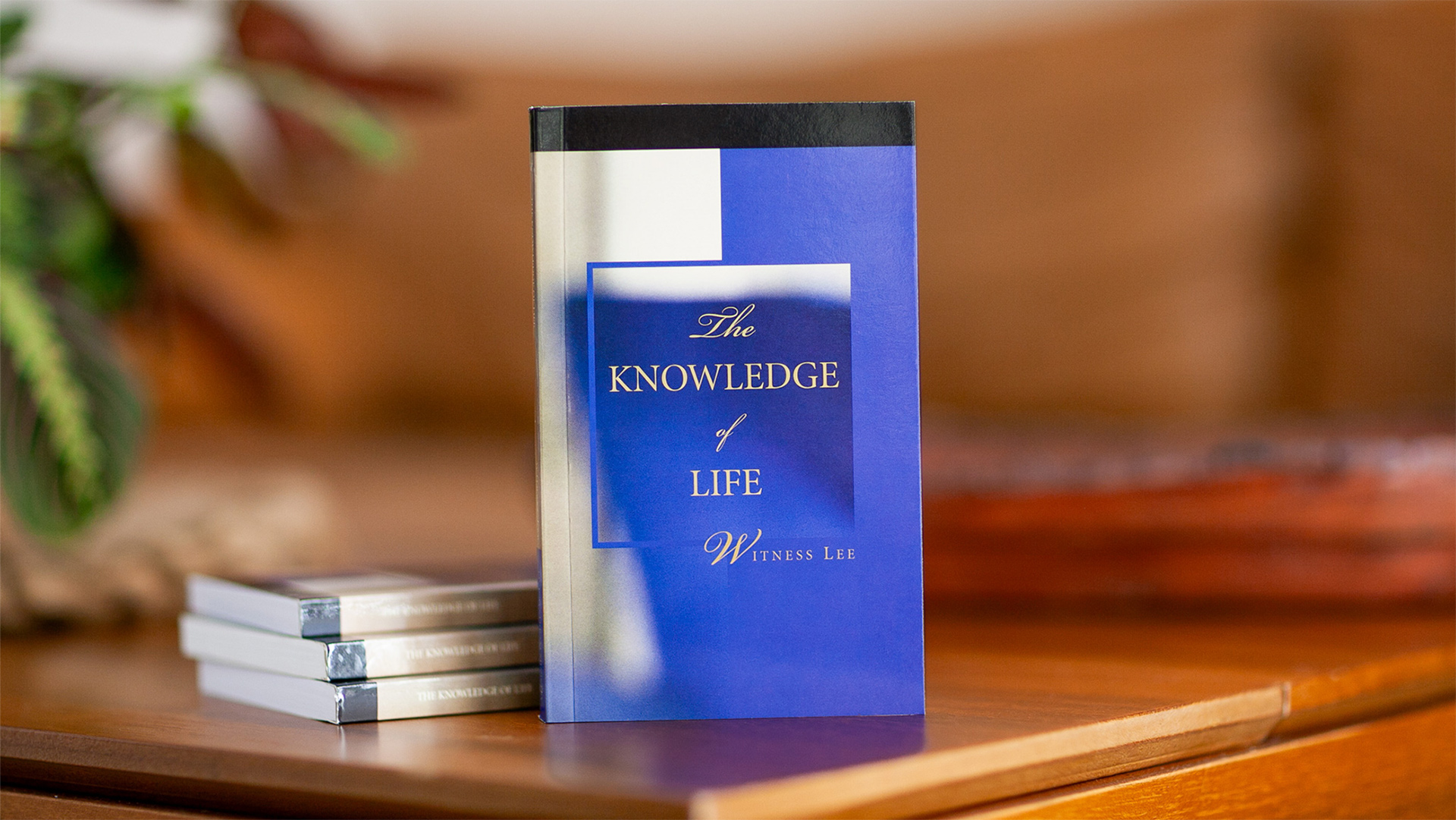
Today, we’ll use a few excerpts from the excellent book The Knowledge of Life by Witness Lee to see how we can experience God’s light.
Light and life go together
First, we must realize that God’s light and God’s life always go together. In The Knowledge of Life, Lee speaks of this vital link on pages 204-205:
“Where light is, there is life. This is a great principle in the Bible. Psalm 36:9 says, ‘With thee is the fountain of life; in thy light shall we see light.’ This also clearly speaks of the relationship between life and light. Life always follows light, and only light can bring forth life.”
We first experienced God’s light when we were saved. As we heard the gospel of Jesus Christ, God’s light shined on us, and we were convicted of our condition. The shining of that light caused us to repent and turn to God. We believed in the resurrected Jesus and all He did for us, and we received Him as our Savior. This light also brought forth life in us: we were regenerated, or born again, in our spirit with the divine life of God.
But God wants us to continue to grow in His divine life until it fills every part of our being. This is His purpose for us. And for this to happen, we need His light.
So how do we practically experience the shining of God’s light?
[[Free Study Bible]]
We can experience light in God’s word
Psalm 119:105 says,
“Your word is a lamp to my feet and a light to my path.”
Genuine spiritual light is impossible to manufacture. The Word of God brings light to us and functions like a lamp that lights our way. But whether or not we receive light from the Word depends on how we approach it. Are we coming to the Bible just to get doctrines or teaching on how to live a good, moral life? Or are we coming to get spiritual light?
In the portion from The Knowledge of Life, Lee refers to John 6:63, which says:
“It is the Spirit who gives life; the flesh profits nothing; the words which I have spoken to you are spirit and are life.”
Lee explains on page 207:
“Since both life and spirit are within us, it is clear that the words which the Lord speaks of here must also refer to the words which are spoken within us, not the letters of the Bible without. All the words outside of us are mere knowledge, not light. Only the words which enter into our spirit are the living, shining words of God. If when we read the Bible we constantly exercise our spirit in fellowship to read and open our spirit to receive, the words of the Bible are spirit and life to us. They can enter into our spirit and become living words, bringing the light of life.”
So if we exercise and open our spirit when we read the Bible, God’s Word can become spirit and life within us, bringing to us the light of life.
How to exercise our spirit
So how do we exercise our spirit when we read the Bible?
One of the best ways to exercise our spirit is to pray. We can pray while we read the Bible, using the words we read to pray. These words then become spirit and life to us.
For example, let’s say in your Bible reading you come to Ephesians 5:15-16:
“Look therefore carefully how you walk, not as unwise, but as wise, redeeming the time, because the days are evil.”
You can use these verses to exercise your spirit and pray to the Lord, maybe something like this:
“Lord, I want to look carefully how I walk. I don’t want to be unwise in my walk, but wise. Lord, I realize the days are evil. I’ve wasted too much time. Lord, I repent. Help me redeem my time.”
As you receive God’s Word by praying over it, the Lord has a way to speak to you. Maybe He shines on the amount of time you spend on social media. In His light, you become aware of the negative effect this has had on you and are convicted about the time you’ve wasted.
You could ignore this shining and keep spending your time in the same way. Or you can respond to the Lord’s light by praying:
“Lord, You’re right. I don’t want to waste my time on so many things. Lord, help me redeem my time. Lord, I need You. Strengthen me to obey You in this.”
When you respond to the Lord’s shining concerning this matter, you receive more life, allowing the life of God to increase in you.
The Lord Jesus is the light of life within us
In addition to the Word of God, we also have the Lord Himself living within us to be light to us. John 1:4 says:
“In Him was life, and the life was the light of men.”
And John 8:12 says:
“Again therefore Jesus spoke to them, saying, I am the light of the world; he who follows Me shall by no means walk in darkness, but shall have the light of life.”
On page 208, Lee speaks about the light of life and the light of men mentioned in these two verses:
“John 1:4 tells us that the life of God is in the Lord Jesus, and this life is the light of men. When we receive the Lord Jesus as Savior, this life enters into us and becomes our ‘light of life’ (John 8:12). Therefore, strictly speaking, this light is not an objective light which enlightens us from without, but a subjective light which enlightens us from within.”
The Lord in us is our light of life. He lets us know how He feels about everything in our lives. We have a consciousness, a feeling, about what He approves or disapproves of, what makes Him happy or displeases Him. That inner feeling is the light of life shining in us. And this shining is subjective, enlightening us from within.
A practical example
How can we experience this subjective shining of the light of life?
Let’s say a friend sends you a text message that rubs you the wrong way. Your first reaction is to respond angrily. As you type, you begin to feel uneasy and sense something within you saying, “Stop.” That feeling is the light of life enlightening you. As you yield to this shining, you may say, “Okay, Lord, I’ll stop. What do You want to write? How are You responding?” You delete what you wrote and spend time to open further to the Lord. As you do this, more life is imparted to you. You then write a reply to your friend, not in yourself but in Christ.
The way we communicate would probably undergo a big change if we started obeying the shining of the light of life in us! More importantly, imagine how much the life of God would grow in us as a result.
What should we do when God shines on us?
When God shines either through His Word or from within us, we should simply obey. It may sometimes be hard, but we should remember that we need God’s light in order to grow.
The alternative to receiving God’s light is to remain in darkness. But if we obey the shining of God’s light, His life will have a way to grow in us. As a result, we’ll be full of joy and peace and experience normal, healthy Christian growth.
In this post, we referenced chapter 14 on “Life and Light” from The Knowledge of Life. If you live in the US, we encourage you to order a free copy here and read more about knowing and experiencing God’s life. You can also download the e-book for free here from anywhere in the world.

The Bible is a precious gift from God. It conveys so much to us, including God’s purpose and way of salvation. As believers, we can’t afford to be unfamiliar with its contents.
In a previous post, we saw that the first, most basic step in understanding the Bible is to read it, cover to cover. This is how we acquire a basic familiarity with the Scriptures that lays the foundation for us to understand God’s Word.
The Bible is a lengthy book. It consists of 39 books in the Old Testament, 27 books in the New Testament, hundreds of chapters, and thousands of verses. Reading through the entire Bible requires our commitment to make it a habit. And even if we’ve already read through the Bible, God’s Word is profound; we need to read it again and again, throughout our whole life.
But how can we develop this healthy and necessary habit?
In this post, we’ll go over seven practical tips to help build up a daily Bible-reading habit.
1. Pray for a hunger for God’s Word
Amos 8:11 says:
“Indeed days are coming, declares the Lord Jehovah, when I will send a hunger into the land, not a hunger for bread nor a thirst for water, but for hearing the words of Jehovah.”
There may be times when we're not eager to read the Bible. It may sometimes even feel like a burdensome task to complete. When we feel this way, we simply need to ask the Lord to give us a hunger for His Word. We can pray something simple, like:
“Lord, thank You for giving us Your precious Word. Give me a hunger for hearing Your words. Help me build up the habit of reading the Bible daily.”
2. Set a definite time to read the Bible
It helps to schedule a consistent time for reading the Bible. An excellent time is early in the morning, before the busyness of the day begins. We can also read during lunch or before going to bed. No matter when it is, having a designated time incorporates Bible reading into our daily routine.
3. Read the Bible consecutively, book after book
Perhaps we’ve jumped around in our Bible reading before, reading a passage here or a verse there. We certainly benefit any way we read God’s Word, but it’s hard to read the entire Bible this way. A good strategy is to read book by book, chapter after chapter, without skipping any portion.
And this means we don’t have to spend time deciding what to read each time we open the Bible. We just continue where we left off. As we complete our reading of the Old Testament and the New Testament, we’ll begin to see how cohesive the Bible is.
[[Free Study Bible]]
4. Come to the Word with your heart turned to the Lord
Every time we come to the Word, it’s good to first turn our heart to the Lord Jesus. The Bible isn’t like a dry, dense textbook. It’s the word of our loving God to us. So even before we start reading, praying a simple prayer like this helps open our heart to Him:
“Lord Jesus, I turn my heart to You right now. Speak to me in Your Word. I’m open to whatever You have to say. Dear Lord, enlighten me as I read today.”
5. Pray over what you read
In the course of our reading, a particular verse or phrase may stand out to us. It may comfort us, convict us, or apply specifically to our situation. Other times, a verse may perplex us. Whatever our reaction, when we’re struck by a particular portion we should stop and pray over it.
We can thank the Lord for the comfort, encouragement, or promises we find in His Word. We can also ask Him to show us the meaning of a passage or just talk to Him about a verse.
In this way, the Bible can become a book of prayer to us, leading us to spend time with our dear Lord Jesus and develop an intimate relationship with Him.
6. Keep track of your Bible reading
It’s helpful to keep track of your progress as you read. You can write down the date you finish a chapter or book in your Bible, or check off each book in the table of contents after you’ve read it. You can also use an online scheduler, an app, or a journal to track your progress.
Keeping track of our progress can be very encouraging. You may not think reading one chapter per day is significant. But if you do this, you’ll finish the whole New Testament in less than a year!
7. Guard against distractions
Since reading the Bible is so important, we have to treasure and even guard the time we’ve set aside to enjoy God’s Word. Today, many things can interrupt or distract us. We may tell ourselves we don’t have the time to read the Bible, yet we can spend an hour or more scrolling through social media.
When it’s time to read the Bible, it’s helpful to set your phone to Do Not Disturb so incoming notifications don’t interrupt you. This can help keep you focused on the Word of God.
Some people find that reading the Bible on a phone or tablet is less than ideal because there are so many distractions right there. If you feel this way, try using a print version of the Bible instead to help you focus your whole attention on God’s Word. If you live in the US, you can order a free print New Testament from us here.
A daily Bible-reading habit will lay a strong foundation for our Christian life, increasing our faith and helping us know the Lord Jesus more. May God grant us all a hunger to read His Word!

By any standard, the Bible is an incredible book filled with profound wisdom, inspiring poetry, and fascinating history.
But above all else, we Christians acknowledge the Bible as the very Word of God. Through it, God reveals His way of salvation and His purpose and plan for humanity. Our very faith is founded upon God’s Word.
With this in mind, it’s clear that understanding the Bible is crucial to our Christian life. And although the Bible is lengthy and profound, the first step in understanding it is simple: reading it from cover to cover.
Who is qualified to read and understand the Bible?
We may think that Bible scholars and theologians are qualified to read and understand the Bible, and we aren’t. But God’s Word is for everyone to read and understand.
In 2 Timothy 3:15, the apostle Paul wrote to a young man named Timothy:
“And that from a babe you have known the sacred writings, which are able to make you wise unto salvation through the faith which is in Christ Jesus.”
Notice the words from a babe. Paul surely didn’t mean that as a babe, Timothy understood every single thing in God’s Word. Paul was saying that from a young age, Timothy knew the sacred writings.
If a babe can know the sacred writings, we all can! No matter how young or old we are, no matter what our background is, we can all begin to familiarize ourselves with the Bible by reading it.
Reading the Bible from cover to cover
So what do we mean when we say we need to read the Bible? We simply mean that we need to read the whole Bible, book after book, from cover to cover. This lays a solid foundation for us to understand it.
Perhaps we’ve never read the whole Bible all the way through, for one reason or another. We can certainly gain some benefit from reading any part of God’s Word. But to illustrate how important it is to read the entire Bible consecutively, let’s say we’re interested in learning about the human body. As a start, we acquire an in-depth book on anatomy. If we were to randomly read sections in the middle, then some paragraphs at the beginning, followed by a few words at the end, we wouldn’t gain a proper understanding of the body. The best way to gain this understanding is to read the anatomy book from the beginning to the end, chapter by chapter. This would give us some basic knowledge of the body’s structure, its different systems, and how they’re all interconnected.
In the same way, reading the entire Bible in order will help us gain a comprehensive overview of God’s Word and a solid base for us to understand its contents. The first book of the Bible is Genesis, so we start there, with God’s creation. As we continue to read, we discover the full history of God’s people, the revelation of Christ, and God’s way of fulfilling His eternal purpose. Finally, we reach Revelation, where we read of the New Jerusalem, the accomplishment of God’s desire.
[[Free Study Bible]]
Our understanding of the Bible is progressive
When it comes to understanding the Bible, there’s no way we can comprehend everything the first time we read it. Our understanding of it is gradual and progressive.
Consider how children learn to read and comprehend what they read. They don’t begin by digesting whole words, much less whole books. They first learn the ABCs, then form words with those letters. Eventually, they’re able to read and understand the meaning of a simple sentence like “The cat sat on a mat.” That first sentence is just the beginning. With continued reading comes increasing comprehension.
In the same way, we acquire “the ABCs” for understanding the Bible by reading it. As we continue to read, we progress to understanding it little by little. And every time we read through the Bible, our understanding will increase.
For instance, let’s say you come to John 1:29 in your Bible reading:
“The next day he [John the Baptist] saw Jesus coming to him and said, Behold, the Lamb of God, who takes away the sin of the world!”
This verse reminds you of reading Exodus 12, an account of the Passover lamb sacrificed by the children of Israel before leaving Egypt. This Old Testament account is a vivid picture pointing to Jesus as the real Passover Lamb. Realizing this enriches both your reading of Exodus 12 and your appreciation of what Jesus did in sacrificing Himself on the cross to take away our sins.
Many other passages in the Old Testament point to events and people that appear in the New Testament. When we make these connections, we understand more of the meaning of the Bible, and our faith in the Bible being the Word of God is strengthened. Bit by bit, verses come alive with rich meaning and practical application to our lives.
Being consistent
So how do we go about reading the whole Bible? It’s helpful to create and follow a schedule. For example, if you take 20 minutes each day and read two to three chapters, you’ll finish the whole Bible in a little over a year.
The main thing is to keep reading. No matter what our pace is, if we’re consistent, it won’t take us long to read through the entire Bible.
Of course, sometimes we may miss our daily reading. But when we resume, we don’t need to start all over again. We should just pick up where we left off and continue from there.
The most important thing is to start, if we haven’t already. We can bring our Bible reading to the Lord and pray a simple prayer like this:
“Lord, thank You for giving us Your Word. Remind me each day to set aside time to read. Lord Jesus, help me build up a habit of reading the Bible.”
Surely this is a prayer the Lord would be happy to answer!
We have many more posts about different aspects of God’s precious Word that you can explore here. And if you live in the US, we encourage you to order a free copy of the New Testament Recovery Version, a unique study Bible that will help you understand God’s Word.

When we repented to God and received the Lord Jesus as our Savior, many wonderful things happened! Among them, our sins were forgiven, and we were brought into fellowship with God.
In a previous post, we saw that God’s forgiveness of our sins is absolute. The Bible shows us our sinful record is abolished, and we’re released from God’s righteous judgment. God’s forgiveness takes care of our record of sin. But there’s another problem: our sins also leave ugly stains on us.
Thankfully, there’s good news! The Bible assures us of both God’s forgiveness and His cleansing. 1 John 1:9 says:
“If we confess our sins, He is faithful and righteous to forgive us our sins and cleanse us from all unrighteousness.”
And note 3 on cleanse in the New Testament Recovery Version shows us the difference between forgiveness and cleansing:
“To forgive us is to release us from the offense of our sins, whereas to cleanse us is to wash us from the stain of our unrighteousness.”
In this post, we’ll read more verses and notes from the Recovery Version to focus on how God cleanses us of our sins.
Why we need God's cleansing
Before we were saved, we all lived a life that was apart from God. Everything we were and did was against God, who is holy and righteous. We trespassed against Him in countless ways.
In Ephesians 2:12, Paul reminds the believers in Ephesus of their condition before they were saved. It says:
“That you were at that time apart from Christ, alienated from the commonwealth of Israel, and strangers to the covenants of the promise, having no hope and without God in the world.”
Paul states even more strongly in Romans 6 that we were “slaves of sin” who presented our bodies as “slaves to uncleanness and lawlessness.” Our actions, our words, and even our thoughts were wrong and sinful.
Furthermore, Isaiah 64:6 shows us that in God’s eyes, even our good deeds were filthy:
“All of us became like him who is unclean, and all our righteousnesses are like a soiled garment.”
Filthy and sin-stained in every way, how desperately we needed God’s cleansing!
[[Free Study Bible]]
The effectiveness of God's cleansing
Hebrews 1:3 says that Jesus, “having made purification of sins, sat down on the right hand of the Majesty on high.”
In Greek, the original language of the New Testament, the word rendered purification in this verse also means washing off, purging, or cleansing. Jesus accomplished this purification once for all by shedding His blood on the cross for us. When we repented and believed in Him, that purification of sins was applied to us. In addition to being forgiven, the stains of our sins were not merely covered up; they were washed off, cleansed, and purged from us.
So we don’t have to wonder whether God still sees the stains of our former sins. They were cleansed away by the blood of Jesus.
Two verses in the Old Testament show us the power and effectiveness of God’s cleansing. Psalms 51:7 says:
“Wash me, and I will be whiter than snow.”
And Isaiah 1:18 says:
“Though your sins are like scarlet, they will be as white as snow; though they are as red as crimson, they will be like wool.”
When God washes away the stains from our sinful past, His cleansing is so absolute that we’re made as white as snow and wool. Both snow and wool are naturally white. For us to be whiter than snow or wool means we’ve been cleansed by the blood of Jesus so deeply and thoroughly that all trace of our sins is gone. It’s as if we had never sinned! This shows us how utterly effective the blood of Jesus is in cleansing us.
Experiencing God's cleansing after we're saved
Of course, the fact that we’re saved doesn’t mean we’ll never sin again. Our fallen flesh and sinful nature are still with us, and we will inevitably disobey or offend God. But we can experience God’s forgiveness and cleansing afresh whenever we confess our sins to Him, as we saw in 1 John 1:9.
Let’s also read 1 John 1:7:
“But if we walk in the light as He is in the light, we have fellowship with one another, and the blood of Jesus His Son cleanses us from every sin.”
Note 5 on this verse in the Recovery Version explains more about how we experience this cleansing:
“The tense of this verb in Greek is present and denotes continuous action, indicating that the blood of Jesus the Son of God cleanses us all the time, continuously and constantly. Cleansing here refers to the instant cleansing of the Lord’s blood in our conscience. Before God, the redeeming blood of the Lord has cleansed us once for all eternally (Heb. 9:12, 14), and the efficacy of that cleansing lasts forever before God, so that that cleansing need not be repeated. However, in our conscience we need the instant application of the constant cleansing of the Lord’s blood again and again whenever our conscience is enlightened by the divine light in our fellowship with God.”
Whenever our conscience is enlightened in fellowship with God and lets us know we have sinned, we should simply confess our sins to Him so we can experience His forgiveness and cleansing again and again. This will lay a solid foundation for the rest of our Christian life.
Praise God for His forgiveness and cleansing!
If you live in the US, we encourage you to order a free copy of the New Testament Recovery Version so you can read all the notes that accompany the verses mentioned in this post.
Have you ever wondered whether God really forgave you of all the sins you committed before you were saved? Or worried that God didn’t forgive you of a particular sin you committed after you were saved?
Sometimes we may feel forgiven, but other times we may not. Sometimes we may think we’re forgiven, but other times we’re convinced we’re not. But being forgiven by God isn’t based on what we feel or think. The fact of God’s forgiveness is based on His sure Word.
We must have a clear understanding and strong assurance of God’s forgiveness as it applies to both the sins we committed before we were saved and those we commit after. In this post, we’ll discuss some key verses to see this great matter in the Bible. This will rescue us from all unsettling doubts and fears and help us progress in our Christian life.
What does it mean to be forgiven by God?
As a result of the fall of man, we’re all sinful. Our transgressions, evil deeds, and sinful living create a problem between us and God that we can’t solve on our own. And as sinners, we’re condemned to death according to God’s righteous judgment.
But in His wonderful salvation, Christ came as the Lamb of God to die as our Substitute on the cross. He fully paid the price for our sins and redeemed us back to God. When we heard this good news, we repented and believed in Jesus as our Savior. At that time, God forgave us of all our sins that we had previously committed.
So what does it mean to be forgiven? Several words in Greek, the original language of the New Testament, are used for forgive and forgiveness. One of these, aphiemi, literally means to cause to depart. Another, aphesis, means to send away. God’s forgiveness means He causes the sins we committed to depart from us and sends them away; they are no longer with us.
To see how it’s possible for our sins to depart from us, let’s read 1 Peter 2:24:
“Who [Christ] Himself bore up our sins in His body on the tree.”
When the Lord Jesus was on the cross (the tree), God laid the sins of the world on Him. Jesus carried all our sins and suffered the judgment and punishment for them in our place. This is how our sins departed from us forever.
So where did our sins go? To answer this question, we need to turn to the Old Testament, which reveals many different aspects of who God is and how He deals with humanity in the way of pictures, or types.
In Leviticus 16, we can see a vivid portrayal of the great redemption Christ accomplished for us. In this chapter concerning the atonement of the children of Israel, God instructed Aaron, the high priest, to take two male goats for a sin offering. Verse 8 says:
“And Aaron shall cast lots on the two goats: one lot for Jehovah and the other lot for Azazel.”
What did these two goats represent? Note 1 on Azazel in the Recovery Version of the Bible explains:
“Azazel signifies Satan, the devil, the sinful one, the one who is the source, the origin, of sin (John 8:44). The goat that was for Jehovah was to be killed (v. 9), but the goat that was for Azazel was to be sent away into the wilderness to bear away all the iniquities of the children of Israel on itself (vv. 10, 20-22). This signifies that Christ as the sin offering for God’s people, on the one hand, deals with our sin before God and, on the other hand, sends sin, through the efficacy of the cross, back to Satan, from whom sin came into man. Through the cross the Lord Jesus has the position and qualification with the power, strength, and authority to take sin away from the redeemed ones (John 1:29; Heb. 9:26) and send it back to its source, Satan, who will bear it in the lake of fire forever (Rev. 20:10).”
This is God’s forgiveness. The Lord Jesus as our sin offering took our sins away from us and sent them back to Satan, where they came from. When God forgives us, our sins are no longer with us!
How can God forgive sinners?
Though God loves us immensely, He is also righteous. Our sins offend Him and violate His righteousness; anyone who sins is condemned to death. So how is it possible for God to forgive sinners?
Hebrews 9:22 clearly says:
“Without shedding of blood there is no forgiveness.”
This verse makes it clear that God’s forgiveness requires and is based on the shedding of blood. But whose blood?
Note 1 on shedding of blood in this verse explains:
“Without the shedding of blood there is no forgiveness of sins. Without forgiveness of sins there is no way for the requirement of God’s righteousness to be fulfilled that the covenant may be enacted. But Christ’s blood was shed for the forgiveness of sins, and the covenant was enacted with His blood (Matt. 26:28).”
In the Old Testament, when God’s people sinned they had to offer Him an animal that would shed its blood by being killed on the altar. This was God’s way of atonement at that time. The animal whose blood was shed was a symbol, a picture, that pointed to the Lord Jesus. Jesus is the sinless, spotless Lamb of God, the real sacrifice for sins.
On the night Jesus was betrayed, He took a cup and gave it to His disciples. Matthew 26:28 records what He spoke at that time, just before His crucifixion:
“This is My blood of the covenant, which is being poured out for many for forgiveness of sins.”
On the cross, the Lord Jesus poured out His blood, fulfilling the righteous requirement of God and granting us forgiveness of sins. How precious Christ’s blood is to both God and us!
When does God forgive us of our sins?
Acts 10:43 says:
“To this One [Jesus] all the prophets testify that through His name everyone who believes into Him will receive forgiveness of sins.”
The apostle Peter spoke this word to a Roman centurion named Cornelius. Acts 10:2 tells us that Cornelius was “devout and one who feared God with all his household, giving many alms to the people and beseeching God continually.” Peter made it clear to Cornelius that by believing in Jesus, he would receive forgiveness of sins. There was no other requirement to fulfill.
In the Recovery Version, note 1 on forgiveness in Acts 10:43 explains:
“This proves that even though Cornelius feared God and worked righteousness and his prayers and alms had been accepted by God, he still needed God’s forgiveness of his sins through his believing into Christ, the Redeemer.”
When we believe in Christ the Redeemer, God forgives us of all the sins we’ve committed immediately, without delay. Our sinful record with God is erased. Forgiveness is the very first thing we enjoy in God’s salvation.
[[Free Study Bible]]
How we can continue to experience God’s forgiveness
Of course, after we’re saved, we still commit sins and offend God. Does God forgive those sins?
Yes, He does! But when we sin after we’re saved, we must confess our sins to God in order to receive His forgiveness.
The apostle John wrote 1 John 1:9 to believers. It says:
“If we confess our sins, He is faithful and righteous to forgive us our sins and cleanse us from all unrighteousness.”
God doesn’t require us to do penance or perform good works in order to earn His forgiveness. We must simply acknowledge and confess our sins to God, and His Word tells us He is faithful and righteous to forgive and even cleanse us.
Note 2 on the word faithful in this verse explains what God does when we confess:
“God is faithful in His word (v. 10) and righteous in the blood of Jesus His Son (v. 7). His word is the word of the truth of His gospel (Eph. 1:13), which tells us that He will forgive us our sins because of Christ (Acts 10:43); and the blood of Christ has fulfilled His righteous requirements that He might forgive us our sins (Matt. 26:28). If we confess our sins, He, according to His word and based on the redemption through the blood of Jesus, forgives us because He must be faithful in His word and righteous in the blood of Jesus; otherwise, He would be unfaithful and unrighteous. Our confession is needed for His forgiveness. Such forgiveness of God, which is for the restoration of our fellowship with Him, is conditional; it depends on our confession.”
Does God keep a record of our sins after He forgives us?
We may have a very good memory of our past sins and failures. And even though we know God has sent them away from us, we may still fear that He remembers them.
God’s Word reveals His attitude toward our past sins. Hebrews 8:12 says:
“For I will be propitious to their unrighteousnesses, and their sins I shall by no means remember anymore.”
This verse tells us clearly that God doesn’t keep a record of our sins! When we confess and He forgives, He forgets. If we try to remind God of a sin we’ve already confessed, He doesn’t remember it.
The importance of knowing God’s forgiveness
We’ve seen how God forgives us immediately, thoroughly, and absolutely, and that His forgiveness is based entirely on Christ’s death on the cross for us and on His shed blood.
Of course, knowing the depth and thoroughness of God’s forgiveness doesn’t give us the right to be careless in our living or indifferent about committing sins. Instead, we need to take our sins seriously because they cut off the fellowship between us and God. So when we sin, we must confess. We then experience His forgiveness, which restores the fellowship between us and causes us to love Him more. And because we love Him, we don’t want to offend Him.
When we know and experience the truth of God’s forgiveness, we’re set free from oppressing doubts and fears. Then we can go on in our Christian life to grow in the divine life of God with grateful hearts. Thank God for His forgiveness of our sins!
If you live in the US, we encourage you to order a free copy of the New Testament Recovery Version here.